What the data says about water damage in Seattle
38% of homes in Seattle were built before 1960, according to the Census Bureau's American Community Survey (2020-2024). Houses that old can still have galvanized steel supply pipes and cast iron drains, which corrode from the inside and usually fail at a joint. A stain that keeps coming back on a ceiling or a damp patch low on a wall is often the first sign.
- Before 196038%
- 1960 to 197914%
- 1980 to 199914%
- 2000 or later33%
Freezing nights are uncommon in Seattle: about 25 a year at the Seattle Sand Pt Wsfo weather station, 6 miles away (NOAA 1991-2020 normals). That is exactly why pipes here are often left uninsulated, so a hard freeze can catch homes out.
About 37.8 inches of rain and snowmelt a year means gutters, downspouts, grading and sump pumps do real work in Seattle. Most basement water problems here start outside the house, at the foundation.
14 declarations since 2000. The tallest column is the busiest year.
Since 2000, King County has been included in 14 federal disaster declarations for severe storms, flooding or hurricanes, most recently Severe Storms, Straight-Line Winds, Flooding, Landslides, and Mudslides in April 2026 (OpenFEMA, DR-4906). Standard homeowners policies exclude flood water that comes in from outside; that needs a separate flood policy.
44% of Seattle households own their home (median value $938,600). If you own your home, photograph the water before anything is moved: it is the first thing your insurer will ask for.
Put together, Seattle scores 52 out of 100 on our Water Damage Risk Index: 357th of 839 US cities and 5th of 26 in Washington.
Water damage in Seattle right now?
Call free, any time. Describe what happened and you will be connected with a local restoration company that serves Seattle.
What Seattle homeowners should know
Sewage coming up when no water is running in the house is the sign to call Seattle Public Utilities at 206-386-1800 for a maintenance crew. If it only happens when you run water, ring a rooter service or plumber first, since the city warns that time can be wasted calling it about a private pipe. SPU crews do not enter homes to clean up backups.
Seattle's rule is that the owner owns the side sewer to the public main, under Municipal Code Chapter 21.16. That includes the roots, and SPU names roots working into older clay pipe as a common problem. Where your pipe joins a neighbor's before the main, you share upkeep from that point on, so find out if yours does before a contractor starts digging. Call Puget Sound Energy at 1-888-225-5773 before clearing a line yourself, to avoid hitting gas. A repair that opens the sidewalk or roadway can leave you paying to replace them too.
Keep records. If an SPU issue caused the backup, including during extreme rain, you can file a claim for reimbursement, so document the damage and save every invoice.
South Park is the neighborhood with the sharpest flood history. On December 27, 2022, a king tide pushed the Duwamish River into homes, combining with rain runoff and melting snow, and at least 10 families were displaced. SPU has since installed grinder pumps in homes with identified sewer backups, along with a pump station and a flood wall whose openings close when overtopping is forecast, though it says its own projects will not stop the river.
Water like that is contaminated, so stay out of it. Our free line can connect you with a King County restoration company to ask about sewage cleanup.
Water utility: Seattle Public Utilities, (206) 386-1800. Call them about a break in the street or at the meter.
What to do in the next 30 minutes
- 1Stop the waterClose the main shutoff, usually where the line enters the house, by the water heater or the meter.
- 2Make it safeStay out of water near outlets or the panel. Switch off the breaker only from somewhere dry.
- 3Keep people clearSewage, toilet overflow and floodwater carry germs. Children and pets stay out.
- 4Photograph itWater, damage and source, before anything moves. Your insurer will ask.
- 5Call for helpThe EPA advises drying within 24 to 48 hours to prevent mold growth.
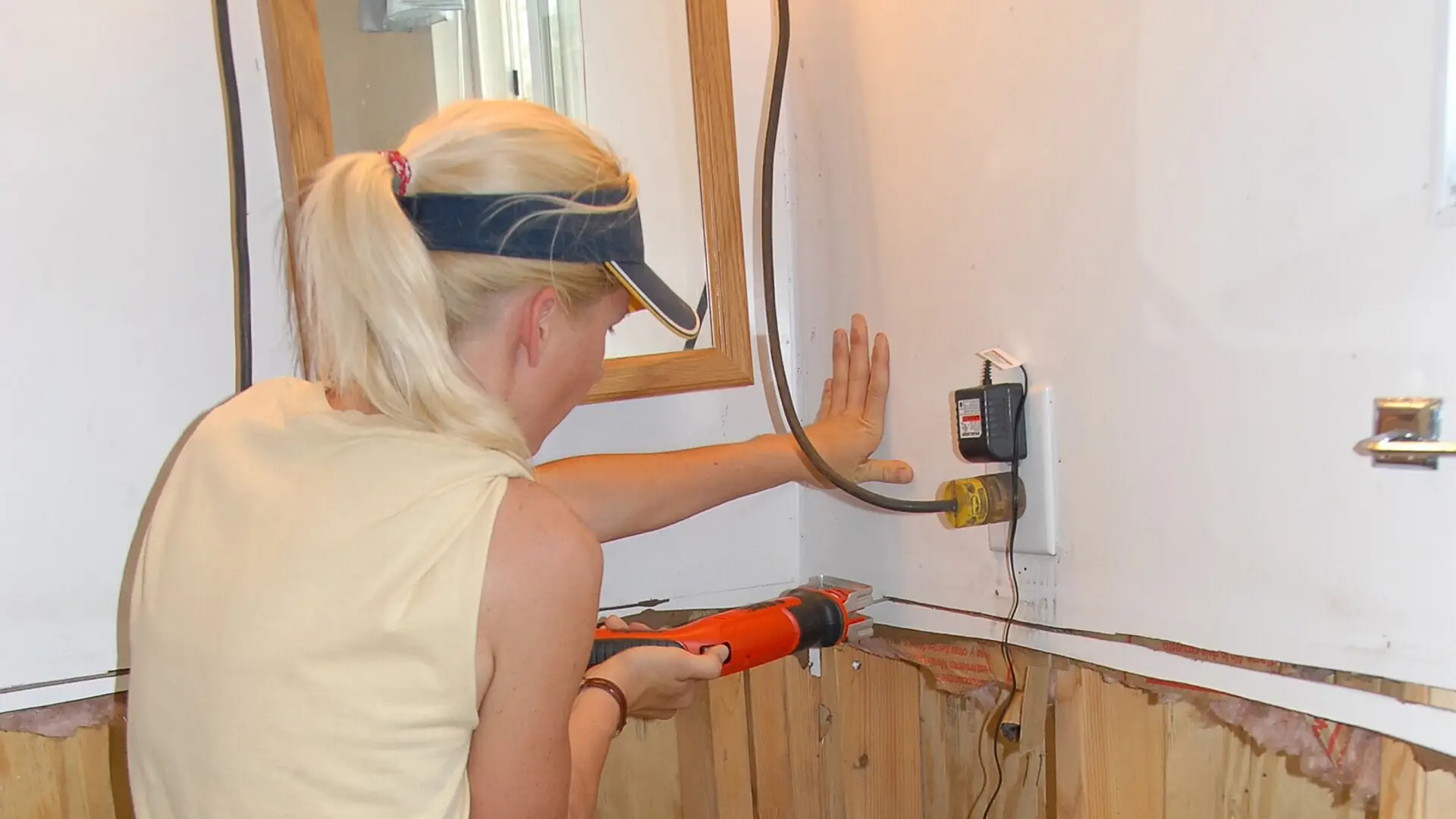
More detail is in our guide to what to do after water damage.
Water damage restoration services in Seattle
- Emergency water removal
- Flooded basement cleanup
- Burst pipe water damage
- Ceiling water damage
- Sewage backup cleanup
- Mold remediation
- Storm flooding clean-up
- Water heater leak cleanup
- Appliance leaks
- Water extraction
- Water mitigation
- Water damage cleanup
- Water remediation
- Emergency water damage
- Water damage repair
What water damage restoration costs
HomeAdvisor's 2026 cost data puts the typical US water damage restoration job at $1,383 to $6,369, with an average of $3,868. Drying is usually priced per square foot, and the dirtier the water, the higher the rate, because more material has to be removed instead of dried.
| Type of water | Typical rate | Example |
|---|---|---|
| Clean (Category 1) | About $3.50 per sq ft | Burst supply pipe, overflowing sink |
| Gray (Category 2) | About $5.25 per sq ft | Washing machine or dishwasher discharge |
| Black (Category 3) | About $7.50 per sq ft | Sewage backup, outside floodwater |
| Mold remediation | $1,100 to $3,400 | Added when drying started too late |
Source: HomeAdvisor cost guide, 2026. National figures; Seattle prices vary with local labor costs. Get your own number with the water damage cost calculator.
Finding a water damage restoration company near you in Seattle
Searching for water restoration companies near you in the middle of a leak means comparing websites while the water spreads. One call to (888) 217-2838 skips that step. Before anyone starts work, ask whether the company's technicians are IICRC certified, whether it carries liability insurance, and whether it will give you a written estimate and itemized invoices for your insurer. Our guide on how to choose a water damage company lists the red flags.
How the call works
You call (888) 217-2838 and describe what happened: where the water is coming from, how much is wet, and your ZIP code. You are then connected with an independent restoration company that serves Seattle. They can tell you when a crew can come out, what the first visit involves, and whether they can work with your insurance company. Water Damage Crews does not do the work itself and you are never obliged to hire. More about how this works.
Water damage in Seattle: common questions
How much does water damage restoration cost in Seattle?
Nationally, most homeowners pay $1,383 to $6,369, with an average of $3,868, according to HomeAdvisor's 2026 cost data, or roughly $3.50 to $7.50 per square foot for drying. What you pay in Seattle depends on local labor rates, how dirty the water is and how much material is wet. The company you are connected with gives a written estimate after it inspects.
How do I find water damage restoration companies near me in Seattle?
Call (888) 217-2838, free, any time. Give your ZIP code and describe the damage, and you will be connected with an independent water damage restoration company that serves Seattle. You can ask about arrival times, certifications and pricing on the same call, and you are never obliged to hire.
Can a crew come out tonight in Seattle?
The line is open 24/7 and restoration companies routinely take after-hours emergency calls, but arrival times depend on the local company's crews at that moment. Ask for an arrival window on the call. While you wait, shut off the water at the main valve and keep away from wet outlets and cords.
Does homeowners insurance cover water damage in Washington?
Standard homeowners policies generally cover sudden and accidental water damage, such as a burst pipe or a failed supply line, and exclude flooding from outside and slow leaks. King County has had 14 federal storm, flood or hurricane declarations since 2000, so check whether you have flood coverage too. Your own policy wording is what counts.
Is Seattle a high-risk city for water damage?
Seattle scores 52 out of 100 on our Water Damage Risk Index, ranking 357th of 839 US cities. The score combines the age of local homes, winter freezing nights, annual precipitation and FEMA disaster declarations for King County.
How long does it take to dry out a house in Seattle?
Professional drying usually takes about three to five days once the water is out, longer for hardwood, plaster, concrete or a soaked basement. Crews check moisture readings every day and stop when materials reach a normal dry level. Humidity and how quickly drying starts make the biggest difference.
Nearby cities
- Bellevue, WA 9 mi
- Kirkland, WA 9 mi
- Burien, WA 10 mi
- Shoreline, WA 10 mi
- Renton, WA 12 mi
- Redmond, WA 12 mi
All 26 cities we cover in Washington
Sources for this page
- U.S. Census Bureau, City and Town Population Estimates, Vintage 2025.
- U.S. Census Bureau, American Community Survey 5-Year Estimates 2020-2024, tables B25034, B25035, B25003 and B25077.
- NOAA National Centers for Environmental Information, U.S. Climate Normals 1991-2020, station USW00094290.
- FEMA, OpenFEMA Disaster Declarations Summaries (declarations since January 2000).
- HomeAdvisor, water damage restoration cost guide, 2026.
- U.S. EPA, A Brief Guide to Mold, Moisture and Your Home.
- Seattle Public Utilities: Side Sewer Backups
- Seattle Public Utilities: Your Side Sewer
- Seattle Public Utilities: Side Sewer Maintenance
- Seattle Public Utilities: Troubleshooting Your Sewer Problem
- Seattle Public Utilities: Statement on flooding in South Park
- Seattle Public Utilities: Update on South Park response work
- Seattle OSE Greenspace: Flooding in South Park
- KING 5: Infrastructure investment needed after Seattle king tide flooding