Water damage cleanup means removing the water, getting rid of what cannot be cleaned and dried, and drying every room, ideally inside the 24 to 48 hours EPA advises. Fixr puts a bathroom at $500 to $4,500 and a kitchen at $1,750 to $8,000. Shut off the water first, and call if it has reached walls or carpet or smells of sewage. Calling costs nothing and the phone line is open 24/7. You will be connected with an independent, local restoration company.
In the next 10 minutes
- Shut off the water at the main valve or the fixture.
- If the panel is dry and you can reach it without crossing water, switch off the affected circuits. If you would have to stand in water, CDC says an electrician should turn it off.
- Photograph every wet room before you move anything. EPA says to contact your insurer and take pictures before cleanup starts.
- Open inside doors and closets so air can move, as long as those rooms are safe to walk through.

The whole job, start to finish
Most cleanups run in the same order, whichever room the water started in.
- A walk-through to find the source, check for hazards and decide what type of water it is.
- Water removal with pumps or extractors.
- A sort: what can be cleaned, what goes in the dumpster, what gets photographed first.
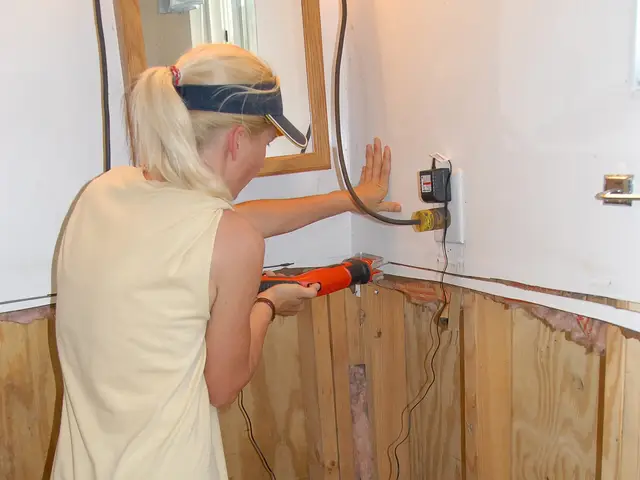
- Tear-out of soaked pad, insulation and low drywall.
- Cleaning and, for contaminated water, disinfecting.
- Drying with air movers and dehumidifiers until moisture readings say it is finished.
Then repairs can start. EPA says everything in the home needs to be completely dry before walls and flooring are refinished or replaced. Our page on water damage repair covers that stage.
Water still spreading?
One free call connects you with a local restoration company. Lines are open 24/7 and there is no obligation.
What cleanup looks like in each room
Water does not behave the same way in every room, so the job changes as the crew moves through the house. Costs below are Fixr's, updated January 2025, and they are ranges rather than quotes.
| Room or item | What usually happens | Typical cost (Fixr) |
|---|---|---|
| Bathroom | Extraction with minor drywall, ceiling and flooring repairs | $500 to $4,500 |
| Kitchen | Flooring, drywall, ceiling and electrical work | $1,750 to $8,000 |
| Ceiling below a leak | Ceiling drywall replaced and repainted | $325 to $1,100 |
| Carpeted room, 200 sq ft | Carpet removed and replaced | $450 to $2,000 |
| Basement, 500 sq ft | Drying only, before any repairs | $2,000 to $7,000 |
Kitchen
Fixr says the biggest costs here are likely to be damaged appliances and cabinetry. Water runs under base cabinets and sits where nobody can see it, so toe-kicks are often pulled to get air underneath. EPA's homeowner guide says to open cabinet doors, remove drawers, wipe them clean and stack them to dry.
Bathroom
Tile sheds water, but the wall behind it and the floor under it may not. Fixr says bathroom jobs usually mean extraction and minor repairs. A toilet overflow changes the job: if it came up from the drain, treat it as sewage and read the sewage backup cleanup page first.
Bedrooms and living rooms
These rooms are mostly about carpet, furniture and low drywall. Fixr treats carpet as something to remove and replace, while vinyl and tile can sometimes be restored with minor work. EPA also says to open closets and interior doors so air reaches everywhere.
Basement and lower floors
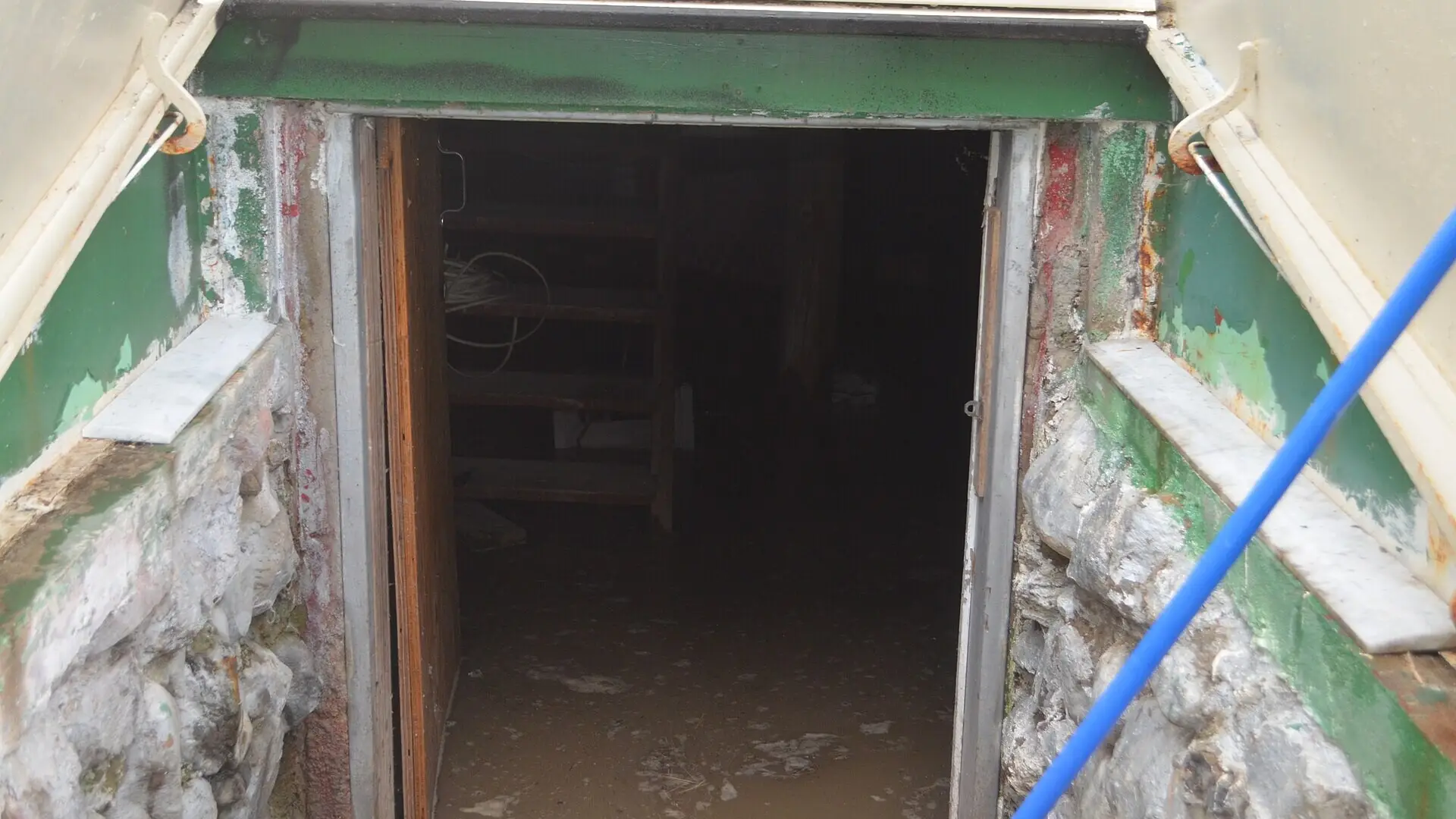
The basement collects what the rest of the house lost. Deep water has to come out carefully, because EPA warns that fast pumping can crack and collapse walls and floors. Below-grade work has its own page, flooded basement cleanup. If the water came in from outside, see storm flooding clean-up.
What you can safely do yourself
If the water is clean and the power is safe, EPA's homeowner guide gives a workable list:
- Wear an N-95 respirator, goggles and non-latex, vinyl, nitrile or rubber gloves.
- Remove standing water from floors, carpets and hard surfaces with a wet vacuum.
- Open all doors and windows while you work, and leave as many open as is safe when you leave.
- Open kitchen cabinets and bathroom vanities, and open the attic access if nothing can fall on you.
- Run fans and dehumidifiers once electricity is safe to use, but not if mold has started to grow.
- Clean with water and detergent, then dry right away. Never mix bleach and ammonia.
- Keep children out. EPA says they should not take part in cleanup.
Sort before you throw. EPA's rule is that anything wet with floodwater goes if it cannot be fully cleaned and dried inside 24 to 48 hours. The Insurance Information Institute says not to throw out damaged items until the adjuster has visited, so photograph what has to go and set it aside if you can.
What to leave to the crew
- Anything touched by sewage. Bob Vila's guide puts Category 3 removal and drying at $7 to $7.50 per square foot, with repairs on top.
- Old floor tile. EPA says not to remove asbestos-containing floor tile yourself, even if it is damaged.
- A sagging or dripping ceiling. Stay out from under it.
- Flooded gas appliances or a smell of gas. CDC says to turn off the main gas valve if you suspect a leak, open windows and leave.
- A flooded heating and cooling system. CDC warns that running one that has been contaminated will spread mold through the house.
What the whole cleanup costs
Fixr's national average is $3,000, with most jobs between $1,200 and $5,000. Bob Vila's guide gives $3,455 and a range of $1,305 to $5,707. For your own numbers, try the water damage cost calculator. Coverage depends on the cause, which the guide on what homeowners insurance covers explains.
What to ask on the phone
- Will you walk through every room with me before tearing anything out?
- Do you take the debris away, and is that in the price?
- Will you list what you remove, so I have it for my insurer?
- How do you decide what can be cleaned and what has to go?
- Will you share moisture readings for each room?
- What certification or license do you hold for this work?
Water still spreading?
One free call connects you with a local restoration company. Lines are open 24/7 and there is no obligation.
Calling is free, and nothing obliges you to hire the company. One wet room with clean water and a hard floor is often a weekend of mopping and fans. Several rooms, soaked carpet or a smell that will not leave is where it makes sense to bring in a crew.
Common questions
How much does water damage cleanup cost?
Fixr's national average is $3,000, with most jobs between $1,200 and $5,000. Bob Vila's guide gives an average of $3,455 and a range of $1,305 to $5,707. The size of the area and the type of water move the price most.
Can I clean up water damage myself?
A small amount of clean water on a hard surface, yes. EPA's homeowner guide says to wear an N-95 respirator, goggles and gloves if mold may be present, remove standing water with a wet vacuum and dry everything as quickly as you can. Sewage or a soaked wall is a job for a crew.
What should I throw away after water damage?
Items soaked by floodwater should go if fully cleaning and drying them will take more than 24 to 48 hours, according to EPA. Photograph items first, and keep them until the adjuster has visited if you can, as the Insurance Information Institute advises.
Should I run fans during cleanup?
Only when the electricity is safe to use. EPA says to skip fans once mold has started, since they can spread it. CDC suggests placing fans at a window or door so they blow air outward.
Do I need to be home while the crew works?
Ask the company you are connected with. It helps to be there for the walk-through, to agree what stays and what goes before any tear-out. You are free to call and free not to hire.
Sources
- EPA: Homeowner's and Renter's Guide to Mold Cleanup After Disasters
- EPA: Flooded Homes, Doing it Yourself
- Fixr: Water Damage Restoration Cost (updated January 2025)
- Bob Vila: How Much Does Water Damage Restoration Cost? (updated May 2023)
- CDC: Reentering Your Flooded Home
- Insurance Information Institute: Settling insurance claims after a disaster