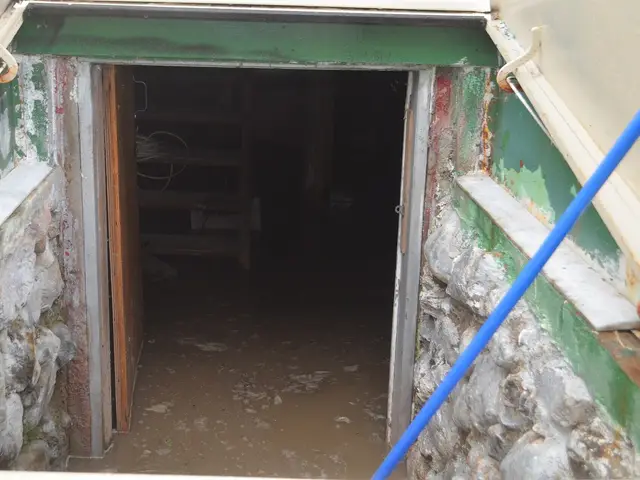
Water remediation is the process of cleaning up, drying out, sanitizing and restoring materials after water damage, as Fixr defines it, and it matters most when the water is contaminated. If yours came from a drain, a toilet backflow or a flooded river, keep everyone out of it, because EPA says to call in a professional for damage caused by sewage or other contaminated water. The phone line is open 24/7, the call is free, and you will reach an independent restoration company in your area.
What to do right now
- Keep people and pets away from the water. CDC says to keep children out of floodwater areas and to keep open wounds out of the water.
- Stop using sinks, toilets and appliances if water is coming up through a drain. Each flush or rinse can add to it.
- Leave the power alone if reaching the panel means crossing wet floor, and call an electrician.
- Take photos from a dry spot.
- Wash exposed skin with soap and clean water as soon as you can.

What the word actually means
People use three similar words for this kind of work, and companies do not always use them the same way.
- Mitigation means stopping the damage from getting worse, with water removal and drying at its center. See water mitigation services.
- Remediation adds the cleaning and sanitizing needed when water or materials are contaminated.
- Restoration is the wider term, and usually includes putting the home back afterward.
Because the words overlap, the useful question on the phone is what the company will actually do, and whether disinfection is in the scope. Remediation of mold is a separate matter with its own IICRC standard, S520, and we cover it on the mold remediation page.
Water still spreading?
One free call connects you with a local restoration company. Lines are open 24/7 and there is no obligation.
The three categories of water
The ANSI/IICRC S500 standard sorts water by contamination, and that rating decides how much remediation the job needs. It is the crew's decision after an inspection. The definitions below come from the S500 and from Larry Cooper, a former chair of the IICRC Standards Committee, writing in Restoration & Remediation magazine. Prices are Fixr's extraction rates, updated January 2025.
| Category | What it is | Examples | Extraction (Fixr) |
|---|---|---|---|
| Category 1 | From a sanitary source | Broken supply line, sink overflow with no contaminants, broken toilet tank | $3.75 to $4.25 per sq ft |
| Category 2 | Contains significant contamination | Dishwasher or washing machine discharge, toilet bowl overflow with urine but no feces, broken aquarium | $4.10 to $6.50 per sq ft |
| Category 3 | Grossly contaminated, can contain pathogenic, toxigenic or other harmful agents | Sewage, waste line backflow from beyond a trap, seawater flooding, rising water from rivers or streams | $7 to $7.50 per sq ft |
The guide on water damage categories and classes explains how the category combines with the class of damage.
Water can change category
A clean source does not guarantee clean water by the time it reaches you. Cooper notes that clean water may not stay clean once it contacts other surfaces, and that time, warmth, building materials and soil all push it the wrong way. He adds that bacteria can begin multiplying within a few hours under ideal conditions, and that odor can be a sign Category 1 water has deteriorated.
The rating is also not automatic. In a position statement dated March 16, 2026, the S500 consensus body says water from weather-related events is not automatically Category 3. The restorer has to inspect and gather information first, and Category 3 applies when the water is actually grossly contaminated. That is a reason to ask how a company reached its rating before you accept the price that goes with it.
When water remediation applies
You likely need remediation, not just drying, when any of these is true:
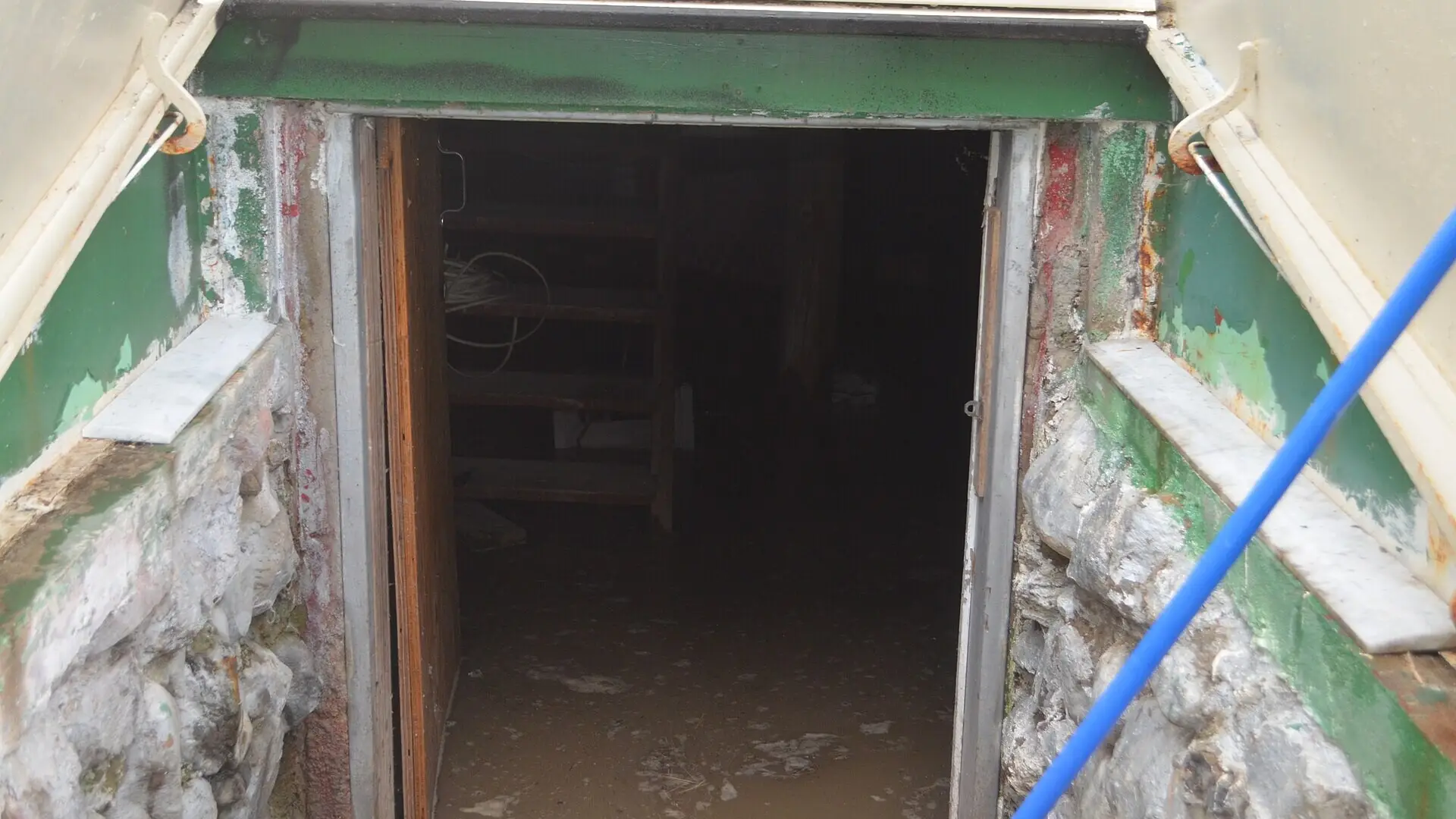
- The water came up through a floor drain, tub or toilet.
- It came from outside, such as a river or rising water. For that, see storm flooding clean-up.
- It smells, even if it started clean.
- A washing machine or dishwasher discharged dirty water into a carpeted room.
- A clean leak ran unnoticed behind a wall and has now started to smell.
You probably need only extraction and drying when a supply line broke, you caught it quickly and there is no odor. The water extraction page covers that job.
What a remediation crew does
Fixr lists the steps as inspection, water removal, drying, cleaning and sanitizing, then restoration. Contaminated water changes how each one is carried out:
- Protective gear. CDC lists rubber boots, rubber gloves and goggles for entering floodwater.
- Removal of porous materials that cannot be cleaned, such as soaked carpet pad and the lower part of wet drywall.
- Cleaning before disinfecting. CDC says walls and hard surfaces should be cleaned with soap and water before they are disinfected.
- Drying, on the clock. EPA's mold prevention window is 24 to 48 hours.
- Heating and cooling checks. EPA warns against running a system you suspect has mold in it.
Fixr says safety equipment rental adds at least $200, and it prices mold remediation at $1,500 to $4,000 if growth has already started.
Health risks
CDC says nobody knows exactly what is in floodwater at any given time, and that it can include human and livestock waste, hazardous chemicals and sharp debris. It says to wash clothes contaminated with flood or sewage water in hot water and detergent before reusing them, and to ask a health care professional about a tetanus booster after a puncture wound. Our guide to sewage backup health risks goes further.
Insurance
Contaminated water is where coverage most often falls short. Standard homeowners policies leave out flood damage, the Insurance Information Institute says, and a typical policy will not pay for sewer backups unless you bought separate coverage or an endorsement. Find out which applies before you sign anything.
What to ask on the phone
- What do you mean by remediation, and is disinfection included?
- Which category do you think this is, and how will you confirm it?
- What protective gear will your crew use?
- Which materials will you remove, and how will you dispose of them?
- What training or certification does your crew have for contaminated water?
- How does the price change if the category changes?
Water still spreading?
One free call connects you with a local restoration company. Lines are open 24/7 and there is no obligation.
It costs nothing to call and you do not have to hire anyone. Clean water that was caught early may never need remediation. Anything that came up a drain, or smells wrong, should be looked at by people with the right gear before you try to clean it.
Common questions
What is water remediation?
Fixr defines it as the process of cleaning up, drying out, sanitizing and restoring affected materials. The word is used loosely, and some companies treat it as another name for mitigation, so ask what is included. The sanitizing step is what sets it apart from simple drying.
What is the difference between water remediation and mold remediation?
Water remediation deals with the water and whatever it carried in. Mold remediation deals with growth that has already started, and the IICRC keeps a separate standard for it, S520. A job can need both if contaminated water sat long enough for mold to grow.
What are the categories of water damage?
The IICRC S500 standard uses three. Category 1 comes from a sanitary source, Category 2 contains significant contamination, and Category 3 is grossly contaminated and can contain pathogenic, toxigenic or other harmful agents. Sewage is the classic Category 3 example.
Can clean water become contaminated?
Yes. Larry Cooper, a former IICRC Standards Committee chair, wrote in Restoration & Remediation magazine that clean water may not stay clean once it contacts other surfaces, and that the category can change during a project. Time, warmth and contact with soil all play a part.
Does homeowners insurance pay for water remediation?
It depends on the source. The Insurance Information Institute says standard policies exclude flood damage and typical ones exclude sewer backups unless you added coverage. Check your policy and call your insurer early.
Sources
- ANSI/IICRC S500 Consensus Body: Category of Water Damage and Weather-related Events (March 2026)
- Restoration & Remediation: Applying IICRC Categories of Water to a Job Situation (Larry Cooper, 2007)
- EPA: A Brief Guide to Mold, Moisture and Your Home
- CDC: Floodwater After a Disaster or Emergency
- Fixr: Water Damage Restoration Cost (updated January 2025)
- Insurance Information Institute: Which disasters are covered by homeowners insurance?