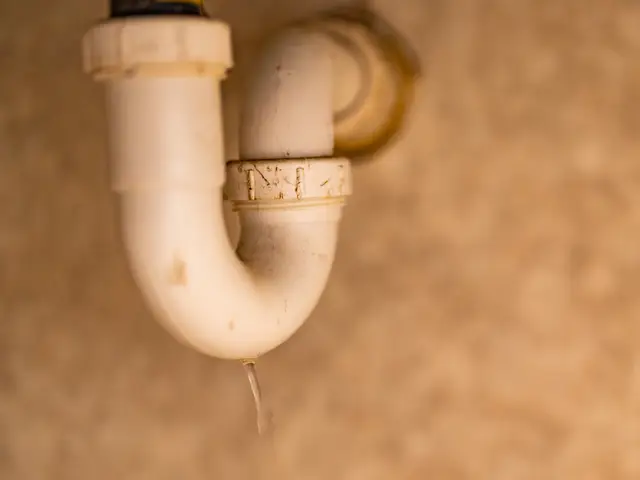
You need emergency water damage restoration if water is still running and you cannot stop it, is touching anything electrical, smells of sewage, or has left a ceiling sagging. Get people out of the wet area, shut off the water if you can do it safely, then call. EPA's window for drying materials before mold usually grows is 24 to 48 hours. The phone line is open 24/7 and the call is free. It reaches an independent restoration company near you.
What counts as an emergency
Not every leak is a middle-of-the-night call. This table sorts the usual situations, and the safety advice comes from CDC and EPA.
| What you see | How urgent | What to do first |
|---|---|---|
| Water touching outlets, cords or the panel | Emergency | Stay out. CDC says if you must enter standing water to reach the main switch, call an electrician |
| Smell of gas | Emergency | Turn off the main gas valve if you can, open windows, leave, and stay out until told it is safe (CDC) |
| Ceiling sagging or bulging | Emergency | Clear the room and stay out from under it |
| Water up through a drain or toilet | Emergency | Keep everyone away. EPA says to call a professional for sewage damage |
| Water running that you cannot shut off | Emergency | Find the main valve, or ask the water utility for help |
| Several rooms or a lower floor wet | Call now | Shut off the water, then photograph it |
| Soaked carpet or wet drywall, leak stopped | Call now | The 24 to 48 hour drying clock is running (EPA) |
| Small clean spill on a hard floor, stopped | Probably not | Mop it, dry it, and check for a musty smell in the days after |
If you are unsure which row you are in, call and describe it. There is no obligation to hire anyone, and the signs of hidden water damage guide shows what to look for if the leak looks small.

The first hour
Work through these in order. Safety comes before saving anything.
- Get people and pets out of the wet area, and away from any ceiling that is bulging or dripping through a light.
- Stop the water at the main valve or the fixture valve.
- Deal with electricity only from a dry spot. CDC says never to switch power on or off while standing in water.
- Use battery flashlights rather than candles or gas lanterns if the power is off, as CDC advises.
- Photograph and video every wet room. The Texas Department of Insurance says your insurance company will ask for pictures.
- Make the call, using the list below.
- Tell your insurer early. The Texas Department of Insurance says to file a claim right away.
- Move what you can reach safely: documents, medicines, photos and electronics first. Do not start tearing anything out.
Water still spreading?
One free call connects you with a local restoration company. Lines are open 24/7 and there is no obligation.
What to say on the call
A clear description helps the company bring the right equipment. Section 10.5 of the ANSI/IICRC S500 standard lists the information a restorer should gather at first contact, and warns that incomplete information can affect the first response. In plain terms, have these ready:
- Where the water came from: a supply pipe, an appliance, a drain or from outside.
- When it started, or when you found it.
- Whether it has stopped, and whether the main is off.
- How much is wet: the number of rooms and floors.
- Whether it smells or could be contaminated.
- What got wet: carpet, hardwood, drywall, ceiling, cabinets.
- Whether the home has had water damage before.
- Roughly how old the home is.
- Who is living there, including anyone elderly, very young or with breathing problems.
- Whether the power is off, and whether the panel, furnace or water heater got wet.
Something like this is enough: "A pipe burst upstairs about an hour ago. The main is off. The bathroom and the ceiling of the kitchen below are wet, the carpet in the hall is soaked, and it is clean water. The panel is dry and the power is on."
Then ask your own questions:
- When can you realistically get here?
- Is there an emergency fee, and what else is charged before work starts?
- What will you do first when you arrive?
- Do you work with my insurance company?
What an emergency visit looks like
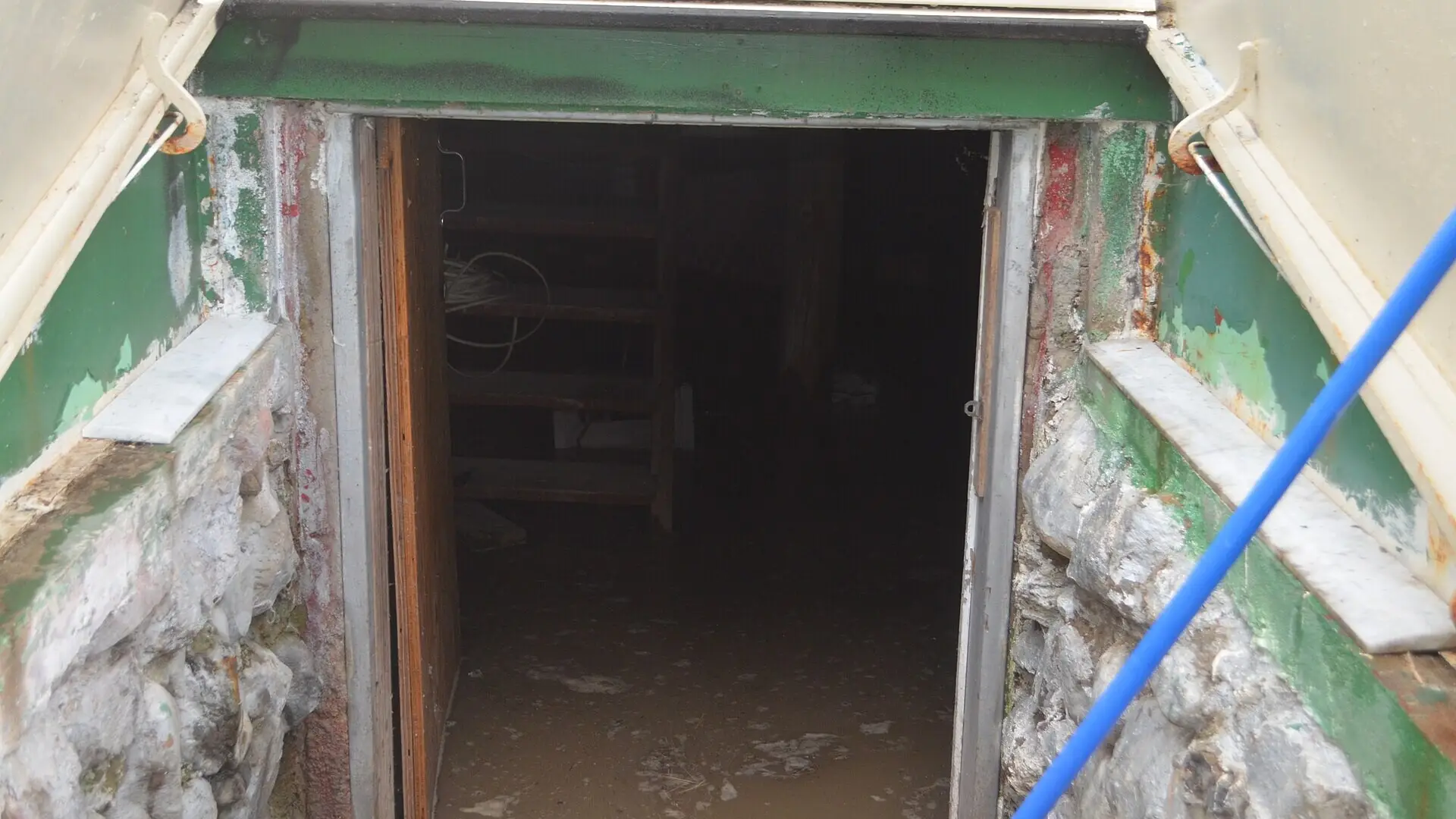
Expect the crew to look before they pump. The first visit usually means checking safety and the source, rating the water, mapping where moisture has gone, removing the water and setting up drying equipment. The S500 notes that a restorer's assumptions from the phone call can change once they inspect, so an early price may change too.
The emergency water removal and water extraction pages cover the removal stage. After that, the work moves to drying, then to water damage repair.
What it costs at short notice
These published ranges cover the items most likely to differ on an emergency job. They are not quotes.
| Item | Typical cost | Source |
|---|---|---|
| Emergency fee, where charged | $50 to $200 | Fixr, Bob Vila |
| Water removal, clean water | $3.75 to $4.25 per sq ft | Fixr |
| Water removal, black water | $7 to $7.50 per sq ft | Fixr |
| Crew labor | $70 to $200 per hour | Fixr |
| Whole job, national average | $3,000 | Fixr |
| Whole job, usual range | $1,200 to $5,000 | Fixr |
Some quotes roll the emergency cost into the total, so ask which way yours works. The cost guide goes through what moves the final bill.
Insurance during an emergency
Do not wait for an adjuster to stop the damage. The Texas Department of Insurance wants enough repairs done to keep the damage from growing, receipts kept, and permanent work held back until an adjuster has approved it. The insurance claim tips guide covers the rest of the paperwork.
What not to do while you wait
- Do not walk through water you cannot see the bottom of, or that may be touching power.
- Do not poke a bulging ceiling. Move out of the way instead.
- Do not run the heating and cooling system if you suspect it is contaminated with mold, as EPA warns.
- Do not sign anything you have not read. You can take a moment even in an emergency.
Water still spreading?
One free call connects you with a local restoration company. Lines are open 24/7 and there is no obligation.
No fee for the call, no obligation to hire. If you got this far and the water is still running, stop reading and find the main valve.
Common questions
What counts as a water damage emergency?
Water you cannot shut off, water touching outlets or the panel, sewage, a sagging ceiling, a smell of gas, or several rooms wet at once. Those all need a call now. A small stopped leak on a hard floor is less urgent, but EPA's 24 to 48 hour drying window still applies.
What should I say when I call?
Say where the water came from, when it started, whether it has stopped, which rooms and floors are wet, and whether it smells or could be contaminated. Mention what got wet, such as carpet, drywall or hardwood. The S500 standard lists these as the details a restorer should gather to plan the work.
Is there an extra charge for emergency service?
Sometimes. Fixr and Bob Vila both list emergency fees of $50 to $200, and Bob Vila notes that some companies build the cost into the overall quote instead. Ask on the phone before anyone starts.
How soon will a crew get to me?
That depends on the company and on what is happening in your area, and we cannot promise a time. The phone line is open 24/7. Ask the company you are connected with for a realistic arrival time and decide from there.
Should I call my insurance company or a restoration company first?
Deal with safety first, then call whichever gets the water handled, and tell your insurer early. The Texas Department of Insurance says to file a claim right away, take pictures of the damage and make only temporary repairs until the adjuster has seen it.
Sources
- CDC: Reentering Your Flooded Home
- EPA: A Brief Guide to Mold, Moisture and Your Home
- ANSI/IICRC S500 Consensus Body: Category of Water Damage and Weather-related Events (March 2026, quotes S500 Section 10.5)
- Fixr: Water Damage Restoration Cost (updated January 2025)
- Bob Vila: How Much Does Water Damage Restoration Cost? (updated May 2023)
- Texas Department of Insurance: Water damage