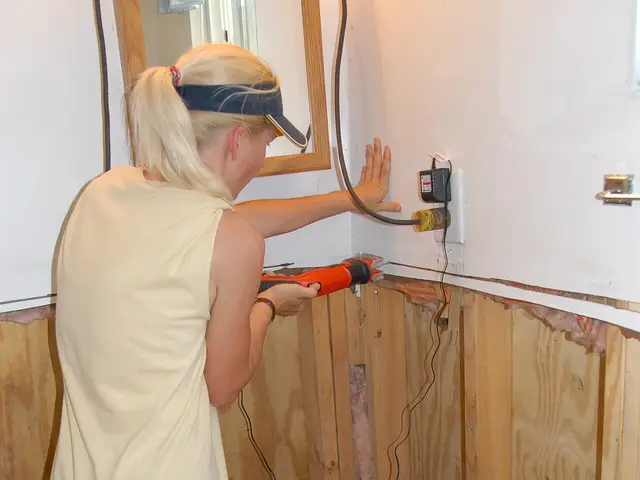
Mold remediation is a professional job once the patch is bigger than about 10 square feet, the mold followed sewage or floodwater, or it is in the heating and cooling system. Those are EPA's thresholds. Until someone arrives, do not scrub, sand or spray the growth, keep the door to that room shut and switch off the central HVAC if it may be contaminated. This Old House puts most jobs at $1,200 to $3,750. One free call connects you with an independent local remediation company, 24/7.
The next 10 minutes
- Find the water. Mold is a moisture problem first. A leak that is still running will regrow whatever gets cleaned.
- Stop disturbing it. Wiping or brushing dry mold releases spores into the air.
- Turn off the HVAC if the growth is near a return vent, in a closet with the air handler or inside ducts. EPA says not to run the system if you know or suspect it is contaminated with mold.
- Keep people with asthma, allergies or weakened immune systems out of that part of the house. EPA advises consulting a health professional first if you have health concerns.
- Photograph the growth, the water stain and the source.
- Call and describe the size of the area and where the water came from.
Can you do it yourself?
EPA's line is simple: if the moldy area is less than about 10 square feet (roughly a 3 by 3 foot patch), you can usually handle it yourself. Scrub hard surfaces with detergent and water and dry them completely. Absorbent materials like ceiling tiles and carpet may need to be thrown away if they are moldy, because mold can be difficult or impossible to remove completely from them. EPA also warns: do not paint or caulk moldy surfaces.
Call a professional when the area is larger, when the water was sewage or other contaminated water, when the mold is in the HVAC system, or when you cannot find the moisture source.
Water still spreading?
One free call connects you with a local restoration company. Lines are open 24/7 and there is no obligation.
What the crew does
Professional remediation follows the ANSI/IICRC S520 Standard for Professional Mold Remediation (fourth edition, 2024), and water-related work alongside it follows S500. EPA's guide for larger buildings splits jobs by size, and residential crews use a similar approach:
- Small, under 10 square feet: careful cleaning and removal with basic protection.
- Medium, 10 to 100 square feet: EPA recommends limited containment, a single layer of 6-mil fire-retardant plastic sheeting around the work area.
- Large, over 100 square feet: EPA recommends full containment with double plastic barriers and an airlock or decontamination chamber for entry and exit.
Inside the containment, a typical job includes:
- Finding and fixing the moisture source, or confirming it has been fixed.
- Negative air pressure with HEPA air scrubbers, so spores are pulled out rather than pushed into the rest of the house.
- Removing moldy porous materials such as drywall, insulation and carpet pad, bagged before they leave the work area.
- HEPA vacuuming and cleaning of framing and hard surfaces.
- Drying the structure to normal moisture levels with dehumidifiers.
- A visual check, and sometimes clearance testing, before the area is rebuilt.
What mold remediation costs
| Location or size | Typical cost (This Old House) |
|---|---|
| National average | $2,300 |
| Most common range | $1,200 to $3,750 |
| Per square foot | $10 to $25 |
| Bathroom | $500 to $1,000 |
| Basement | $500 to $3,000 |
| Crawl space | $500 to $2,000 |
| Attic | $1,000 to $4,000 |
| HVAC system | $3,000 to $10,000 |
| Whole house | $10,000 to $30,000 |
HomeAdvisor's water damage figures show a similar picture, with mold remediation at $1,100 to $3,400 and an average of $2,225. Rebuild work, clearance testing and temporary housing are usually extra. For the water side of the bill, see the water damage restoration cost guide.
Insurance and mold
Mold is one of the hardest water-related claims. The Insurance Information Institute notes that homeowners policies will not cover damage due to lack of maintenance or mold. Where mold coverage exists, it is usually tied to a covered sudden loss, such as a burst pipe, and to how quickly you acted. If the mold followed a recent leak, report the original water loss, keep photos and dates, and show the steps you took to dry things out.
How long it takes
Small contained jobs are often finished in a day or two. Medium and large jobs, with containment, tear-out, cleaning and drying, typically take several days, plus rebuild time. A crawl space or attic can take longer because of access. Read how fast mold grows after water damage to understand why a fresh leak and a months-old one are priced so differently.
What you can safely do while you wait
- Run a dehumidifier in the room if it is not near the mold itself, and keep the door closed.
- Fix or shut off the leak.
- Move belongings that have not been touched by mold away from the area.
- For a small patch under 10 square feet on a hard surface, follow EPA's detergent-and-water method with gloves, goggles and an N-95 respirator.
When it becomes dangerous
- The area is larger than about 10 square feet or spreads across several rooms.
- The mold followed a sewage backup or floodwater.
- Someone in the house has asthma, a lung condition or a weakened immune system and is reacting.
- There is a strong musty smell but no visible mold, which often means growth inside walls or ducts. See signs of hidden water damage.
What to ask on the phone
- Do you follow the IICRC S520 standard, and are your technicians certified?
- Will you set up containment and negative air for a job this size?
- How will you find and confirm the moisture source is fixed?
- Is post-remediation testing included or separate, and who does it?
- What will be removed, and is rebuild included?
- Do you work with insurers if the mold followed a covered water loss?
Water still spreading?
One free call connects you with a local restoration company. Lines are open 24/7 and there is no obligation.
The call is free and there is no obligation to hire. The cheapest mold remediation is the one that never happens: if the water damage is fresh, getting it extracted and dried quickly is the priority. Start with emergency water removal.
Common questions
How much does mold remediation cost?
This Old House reports an average of $2,300, with most jobs between $1,200 and $3,750, or about $10 to $25 per square foot. HVAC system remediation runs $3,000 to $10,000 and whole-house jobs $10,000 to $30,000.
Can I remove mold myself?
EPA says that if the moldy area is less than about 10 square feet, roughly a 3 foot by 3 foot patch, you can usually handle it yourself by scrubbing hard surfaces with detergent and water and drying them completely. Larger areas, mold caused by sewage or contaminated water, and mold in the HVAC system call for a professional.
Does homeowners insurance cover mold remediation?
Usually only when the mold results from a covered sudden water loss, such as a burst pipe, and is dealt with promptly. The Insurance Information Institute notes that policies do not cover damage due to lack of maintenance or mold, so acting fast and keeping records matters.
How fast does mold grow after water damage?
EPA says wet materials dried within 24 to 48 hours will usually not grow mold. After that window, growth on drywall, carpet pad and wood becomes likely, which is why fast drying is the cheapest form of mold remediation.
Should I test for mold before remediation?
EPA says that in most cases, if visible mold growth is present, sampling is unnecessary; the priority is fixing the moisture and removing the growth. Testing is more useful for hidden mold, legal disputes or clearance after a large job.
Sources
- EPA: A Brief Guide to Mold, Moisture and Your Home
- EPA: Mold Cleanup in Your Home
- EPA: Mold Remediation in Schools and Commercial Buildings Guide, Chapter 3
- This Old House: Mold Remediation Cost
- IICRC: ANSI/IICRC S520 Standard for Professional Mold Remediation
- Insurance Information Institute: Which disasters are covered by homeowners insurance?