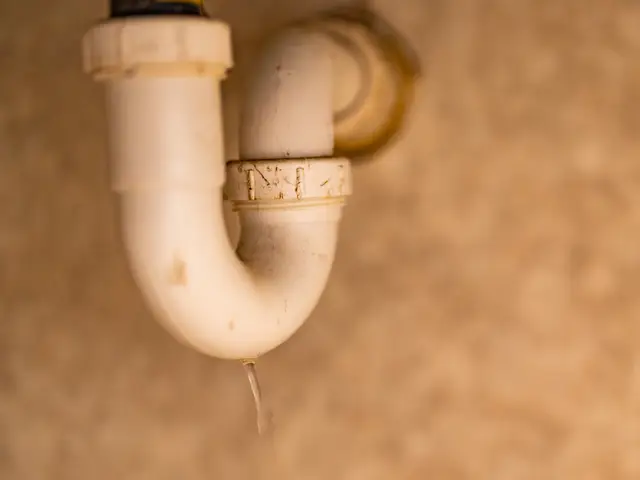
Burst pipe water damage gets worse by the minute, so shut off the main water valve first, open the lowest faucet in the house to drain the line, and keep everyone away from wet outlets and ceiling lights. Maine's emergency management agency notes that a 1/8-inch crack can release up to 250 gallons of water a day. Once the flow has stopped, call: one free call connects you to an independent local restoration company, 24/7, to get the water out of the walls and floors.
The next 10 minutes
- Close the main shutoff. It is usually where the water line enters the house: in the basement, crawl space, garage or a utility closet, sometimes near the water heater. If you cannot find it, the curb valve at the street meter is the backup.
- Open a faucet on the lowest floor to drain the remaining pressure.
- Switch off breakers for wet rooms if the panel is dry and you are standing on a dry floor.
- If the leak is in a ceiling, put buckets down and stay out from under any sag.
- Photograph the pipe, the water and everything it touched.
- Call a plumber for the pipe repair and a restoration company for the water. They are usually two different trades.
Why pipes burst and where it happens
Most burst pipes in cold climates are frozen pipes. State Farm notes that pipes can freeze when temperatures dip below 32 degrees Fahrenheit, and that both plastic and copper pipes can freeze. Maine's emergency management agency says the pipes most at risk run near outer walls, in crawl spaces or in the attic. The split often only shows up when the ice thaws and water starts flowing again, which is why many bursts are found a day after a cold snap.
Burst pipes also happen without freezing: corroded fittings, high water pressure, failed push-fit connectors and nails driven through a line during renovation. Those are often slower and hidden inside a wall, which our page on signs of hidden water damage helps you spot.
Water still spreading?
One free call connects you with a local restoration company. Lines are open 24/7 and there is no obligation.
What the crew does on arrival
The company you are connected with should work to the ANSI/IICRC S500 standard, the industry's procedure for water damage restoration. For a burst pipe that usually means:
- Confirm the water is off and check for electrical hazards around the leak.
- Map moisture with meters and thermal cameras. Water from a pipe inside a wall travels down studs, under bottom plates and into the floor below, so the wet area is usually bigger than it looks.
- Extract standing water from carpet, pad and hard floors.
- Open what has to be opened. A flood cut along the bottom of the drywall, or holes behind baseboards, lets air into the cavity. Wet insulation is usually pulled.
- Set air movers and dehumidifiers, and sometimes injectors that push dry air into wall cavities or under cabinets.
- Come back to take readings and adjust equipment until the materials hit dry targets, then document everything for the insurer.
What burst pipe water damage costs
| Item | Typical cost | Source |
|---|---|---|
| Burst pipe and plumbing water damage | $1,000 to $4,000 | HomeAdvisor |
| Water damage restoration, national average | $3,868 | HomeAdvisor |
| Drywall repair | $300 to $850 | HomeAdvisor |
| Ceiling repair | $450 to $1,600 | HomeAdvisor |
| Floor repair | $200 to $550 | HomeAdvisor |
| Average water damage and freezing insurance claim, 2019 to 2023 | $15,400 | Insurance Information Institute |
The gap between a $1,000 job and a $15,000 claim is mostly time and location. A burst line under a sink caught in an hour is a small job. A pipe that froze in an upstairs bathroom and ran for a weekend while the family was away can take out two floors. The water damage cost calculator gives a rough figure for your square footage.
Insurance and burst pipes
This is one of the most commonly covered water losses. The Insurance Information Institute lists "accidental discharge or overflow of water or steam from within a plumbing, heating, air conditioning, or automatic fire-protective sprinkler system" and "freezing of a plumbing" system as covered under HO-2 and higher policies. Policies usually do not cover damage from lack of maintenance or a leak that went on for months.
Report the claim quickly, keep the broken section of pipe if the plumber removes it, and keep receipts for any emergency work. Our water damage insurance claim tips cover what adjusters look for.
How long it takes
The plumbing repair is often done the same day. Drying walls, subfloors and cabinets usually takes several days of equipment running, and longer for hardwood, plaster or water that ran for a long time. EPA notes that materials dried within 24 to 48 hours usually do not grow mold, which is why starting the drying quickly matters more than finishing it fast.
What you can safely do while you wait
- Mop up and blot water on hard floors.
- Move furniture, rugs and electronics out of the wet room.
- Open cabinet doors under sinks so air can reach the back.
- If pipes elsewhere are still frozen, warm them with a hair dryer starting near the faucet. State Farm warns never to use a torch or open flame.
- If you are leaving the house during the cold, State Farm suggests keeping the thermostat no lower than 55 degrees. The guide on how to prevent frozen pipes has the full list.
When it becomes dangerous
- Water is dripping through a light fixture or a ceiling is bulging. Stay out from under it and turn off the circuit.
- Water is pooling near the electrical panel or outlets.
- The leak was hot water from a heating system or water heater line, which can scald.
- The ceiling below the leak has sagged or cracked. See ceiling water damage repair for what to do.
What to ask on the phone
- Can you check inside the wall and the floor below, not just the visible wet spot?
- Will you do a flood cut or drill holes to dry the wall cavity?
- Are your technicians IICRC certified?
- Do you provide moisture logs and photos for my insurer?
- Is there an emergency fee, and do you bill the insurance company directly?
- Do you handle drywall and paint after drying, or is that a separate contractor?
Water still spreading?
One free call connects you with a local restoration company. Lines are open 24/7 and there is no obligation.
The call is free and there is no obligation to hire. Fix the pipe, but do not stop at the plumbing: water that soaked into the wall cavity is what turns a burst pipe into a mold problem a few weeks later.
Common questions
What should I do first when a pipe bursts?
Shut off the main water valve, then open a faucet to drain pressure from the line. If water is near outlets or the panel, switch off power to that area only if you can reach the breaker without standing in water. Then call a plumber for the pipe and a restoration company for the water.
Does homeowners insurance cover a burst pipe?
Usually yes. The Insurance Information Institute lists sudden discharge from plumbing and freezing of a plumbing system as covered perils under HO-2 and higher policies. A pipe that leaked slowly for months, or damage from a lack of maintenance, is usually not covered.
How much does burst pipe water damage cost to fix?
HomeAdvisor lists burst pipe and plumbing water damage at $1,000 to $4,000, and the overall average for water damage restoration at $3,868. The plumbing repair itself is usually a separate bill from the drying and rebuild.
How long does it take to dry walls after a burst pipe?
Drywall and framing usually need several days of air movers and dehumidifiers, with daily moisture readings until they reach dry targets. Cutting a small flood cut at the bottom of the wall often speeds this up a lot.
Can I thaw a frozen pipe myself?
Yes, carefully. State Farm advises warming the pipe with a hair dryer starting near the faucet and working toward the coldest section, and never using a torch or open flame. If the pipe has already split, thawing it will release water, so have the shutoff ready.
Sources
- Maine Emergency Management Agency: Preventing or Thawing Frozen Water Pipes
- State Farm: How to Help Prevent Pipes From Freezing
- HomeAdvisor: How Much Does Water Damage Restoration Cost?
- Insurance Information Institute: Which disasters are covered by homeowners insurance?
- Insurance Information Institute: Facts + Statistics, Homeowners and renters insurance
- EPA: A Brief Guide to Mold, Moisture and Your Home