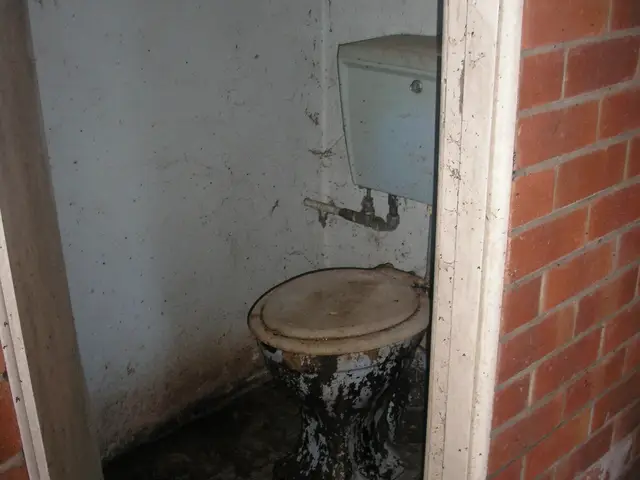
Sewage backup cleanup is not a mop-and-bleach job. Stop using every drain in the house right now (toilets, sinks, showers, the washer and dishwasher), keep children and pets away, and do not touch the water without rubber boots, rubber gloves and goggles. Then call. One free call connects you with an independent local restoration company, 24/7. Bob Vila puts most sewage backup cleanup between $2,000 and $10,000.
The next 10 minutes
- Stop all water use. Every flush or shower adds more sewage to the backup, because it has nowhere to go but up the lowest drain.
- Get people and pets out of the affected area and close the door if you can.
- Turn off power to the area if you can reach the breaker panel without walking through the water.
- Turn off the HVAC if the return or ductwork is near the spill, so it does not pull contaminated air through the house.
- Photograph the water, where it came up and anything it touched.
- Call a restoration company for the cleanup and a plumber or the city sewer department to find the blockage.
Why sewage is different from other water
The ANSI/IICRC S500 standard classifies water by contamination. Sewage is Category 3, grossly contaminated water that can carry harmful bacteria, viruses and parasites. CDC lists wound infections, skin rash, gastrointestinal illness and tetanus among the risks of contact with contaminated floodwater and sewage, and recommends rubber boots, rubber gloves and goggles for anyone who must be near it.
EPA's guidance is direct: if the damage was caused by sewage or other contaminated water, "call in a professional who has experience cleaning and fixing buildings damaged by contaminated water." Our page on sewage backup health risks covers who is most at risk and what symptoms to watch for.
Water still spreading?
One free call connects you with a local restoration company. Lines are open 24/7 and there is no obligation.
What the crew does on arrival
- Protective gear and containment. Crews wear suits, respirators and boots and may seal off the area with plastic so contamination does not spread to clean rooms.
- Inspection and moisture mapping. They find the edge of the contamination, including water that ran under flooring or wicked into walls.
- Extraction. Sewage and solids are pumped and extracted, and the waste is disposed of properly.
- Tear-out. Porous materials soaked by sewage, such as carpet and pad, drywall and insulation below the waterline, are generally removed and discarded rather than dried, because they cannot be reliably disinfected.
- Cleaning and disinfection. Hard surfaces, framing and concrete are cleaned, then treated with an antimicrobial.
- Drying and verification. Air movers and dehumidifiers dry the structure, and readings confirm it is dry before rebuilding.
What sewage backup cleanup costs
| Item | Typical cost | Source |
|---|---|---|
| Most sewage backup cleanups | $2,000 to $10,000 | Bob Vila |
| Category 3 (black) water cleanup | about $7.50 per sq ft | HomeAdvisor |
| Category 1 (clean) water, for comparison | about $3.50 per sq ft | HomeAdvisor |
| Flooded basement with Category 3 water | $7,000 to $15,000 | HomeAdvisor |
| Mold remediation if it follows | average $2,225 | HomeAdvisor |
The plumbing fix (clearing the line, repairing a root-damaged lateral or installing a backwater valve) is a separate bill from the cleanup. For a rough cleanup number by area, use the water damage cost calculator and choose Category 3.
The insurance problem with sewage
This is the claim homeowners are most often surprised by. The Insurance Information Institute says sewer backups are not covered under a typical homeowners insurance policy, "nor are they covered by flood insurance." Coverage comes from a sewer or water backup endorsement (sometimes called a rider) that must already be on the policy. If you have one, check its limit, because the endorsement carries its own cap separate from the rest of the policy.
Call your agent the same day either way. If the backup came from a city main rather than your own line, ask the municipality how to file a claim with them. Our guide to whether homeowners insurance covers water damage explains the endorsement in more detail.
How long it takes
Extraction, tear-out and disinfection are often done over the first one or two days. Drying usually runs several more days. Rebuild work (drywall, flooring, trim) comes after the area has been cleaned, dried and checked. A large finished basement takes longer than a concrete floor.
What you can safely do while you wait
- Keep everyone out of the area and keep all drains unused.
- Wear rubber boots, gloves and goggles if you must go in, and wash with soap and clean water afterward.
- Wash any clothes that touched the water in hot water and detergent, separately from other laundry, as CDC advises.
- Do not use a household vacuum, fan or shop vac on sewage. It spreads contamination into the air.
- Do not try to pump sewage into a yard or storm drain.
When it becomes dangerous
- Anyone in the house is pregnant, very young, elderly or has a weakened immune system. Keep them out entirely.
- Sewage is touching outlets, extension cords or the panel.
- You have a cut or open wound that was exposed to the water. Wash it and get medical advice.
- The backup has sat for more than a day or two and you can smell or see mold. See mold remediation.
What to ask on the phone
- Do you handle Category 3 sewage losses, and are your technicians IICRC certified?
- Will you contain the area so it does not spread to clean rooms?
- What will be removed, what will be cleaned, and how will it be disposed of?
- Do you apply an antimicrobial and verify drying with moisture readings?
- Do you work with insurers, and can you document the loss for a backup endorsement claim?
- Is there an emergency fee, and how is the job priced?
Water still spreading?
One free call connects you with a local restoration company. Lines are open 24/7 and there is no obligation.
The call is free and there is no obligation to hire. After the cleanup, ask the plumber about a backwater valve: the Insurance Information Institute recommends installing and maintaining one, since it lets sewage go out but not come back in. If the water came in from outside during a storm instead, see storm and flood damage cleanup.
Common questions
Is it safe to clean up a sewage backup myself?
Only a very small spill on a hard, non-porous floor. CDC notes that floodwater and sewage can cause wound infections, skin rashes and gastrointestinal illness, and EPA advises calling a professional experienced with contaminated water. Anything porous it touched, such as carpet, pad and drywall, usually has to be removed.
How much does sewage backup cleanup cost?
Bob Vila reports that most homeowners spend $2,000 to $10,000. HomeAdvisor lists Category 3 water cleanup at about $7.50 per square foot, roughly double the rate for clean water, because of the protective gear, disinfection and tear-out involved.
Does homeowners insurance cover sewage backup?
Not under a standard policy. The Insurance Information Institute says sewer backups are not covered by a typical homeowners policy or by flood insurance. You need a sewer or water backup endorsement added before the event.
What causes a sewage backup?
Common causes are clogs from grease and wipes, tree roots in the lateral line, a collapsed or bellied pipe, and a municipal sewer that is overloaded during heavy rain. A plumber with a camera can tell you which one it is.
What should be thrown away after a sewage backup?
Porous items soaked by sewage, such as carpet and pad, upholstered furniture, mattresses, cardboard and the wet section of drywall and insulation, usually cannot be made safe. Hard items like metal, glass and sealed plastic can usually be cleaned and disinfected. Photograph everything before it goes.
Sources
- Bob Vila: How Much Does Sewage Backup Cleanup Cost?
- HomeAdvisor: How Much Does Water Damage Restoration Cost?
- CDC: Floodwater After a Disaster or Emergency
- EPA: A Brief Guide to Mold, Moisture and Your Home
- Insurance Information Institute: Which disasters are covered by homeowners insurance?
- Insurance Information Institute: How to protect your home from water damage