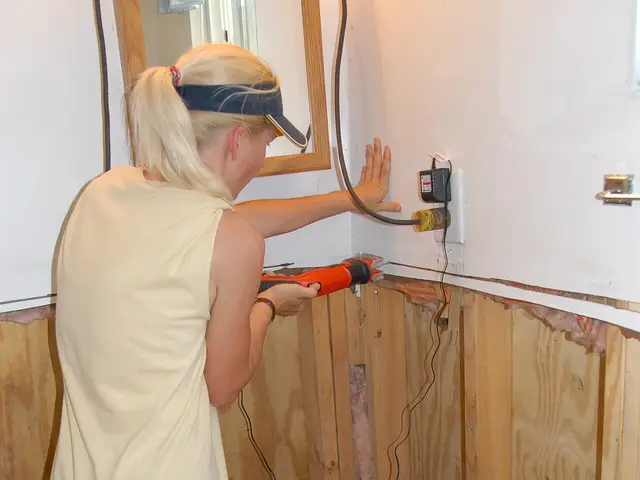
Sewage backup water is Category 3, the most contaminated class of water under the IICRC S500 standard, and CDC links contact with it to stomach illness from germs such as E. coli and Salmonella, wound infections, skin rashes and tetanus. Keep children, pets, pregnant people and anyone with asthma or a weak immune system out of the area entirely. Anyone who must go in needs rubber boots, rubber gloves and goggles, and anything porous the water soaked, such as carpet, pad and mattresses, usually has to be thrown away.
Why sewage water is treated as the worst kind
The IICRC S500 standard sorts water damage into three categories by contamination. Category 3 is defined as "grossly contaminated" water that can contain pathogenic, toxigenic or other harmful agents and can cause significant adverse reactions if contacted or consumed. The standard's examples start with sewage, and it adds that waste line backflows from beyond any trap count as Category 3 "regardless of visible content or color."
That last point matters. A backup from a floor drain or toilet can look fairly clear and still carry the same germs as visibly dirty water. The S500 definition also notes that Category 3 water can carry trace levels of regulated or hazardous materials such as pesticides or toxic organic substances, depending on what went down the line.
For a full breakdown of the three categories and the four drying classes, see water damage categories and classes.
The health risks, one by one
CDC's floodwater guidance lists the illnesses linked to water that contains sewage. The table pulls them together with what EPA says about the mold that often follows.
| Risk | How exposure happens | What the agencies say |
|---|---|---|
| Diarrheal disease | Swallowing germs, often from unwashed hands | CDC names E. coli and Salmonella infection |
| Wound infections | Germs entering cuts or scrapes | CDC: cover clean open wounds with a waterproof bandage |
| Tetanus | Puncture wounds during cleanup | Listed by CDC among floodwater risks |
| Skin rash | Direct skin contact | Listed by CDC among floodwater risks |
| Leptospirosis | Contact with contaminated water | CDC notes it is not common |
| Mold exposure | Breathing spores from materials that stayed wet | EPA: asthma attacks, eye and skin irritation, allergic reactions, severe infections in people with weak immune systems |
| Electric shock | Water reaching outlets, cords or appliances | Turn off power only from a dry spot |
Germs are not the only problem. EPA's disaster cleanup guide says that if a home could not be dried within 24 to 48 hours, you should assume mold is growing. Sewage cleanup often takes longer to start than a clean water leak because people hesitate, and that delay gives mold time to start.
Water still spreading?
One free call connects you with a local restoration company. Lines are open 24/7 and there is no obligation.
The first hour after a sewage backup
Stop using water everywhere in the house, not only in the room that flooded. Every sink, tub, toilet and washing machine drains into the same sewer line, so a load of laundry or a flush upstairs can push more sewage out of the lowest drain.
Close the door to the affected area and keep everyone out of it. If the backup is near outlets, appliances or extension cords, turn off power to that area only if you can reach the breaker panel from a dry spot. Take photos and short videos of the water, the drain it came from and anything it reached, before anything is moved.
Then make two calls: one to your insurer to ask whether you have a water backup endorsement, and one to a restoration company to assess the cleanup. A plumber may also be needed to clear the blockage before the line is used again.
Who should stay out entirely
Some people should not be in the affected area at all, even with protective gear.
Children and pets
CDC says to keep children and pets away from the affected area until cleanup is complete, and not to let children play with toys that touched contaminated water until they have been disinfected. EPA's guide states plainly that children should not take part in disaster cleanup work.
Pregnant people and young infants
CDC's guidance for pregnant and postpartum women says that if you are pregnant or were recently pregnant, avoid hard physical work or disaster cleanup work. It also says that if you are pregnant or have a young infant, avoid entering a building with mold damage.
People with asthma or a weakened immune system
EPA says people with breathing problems like asthma or who have weakened immune systems should stay away from moldy sites. That includes people on chemotherapy, transplant recipients and anyone their doctor has told to avoid infection risks.
If you must go in: protective gear
For a brief entry, such as reaching the main water valve or a breaker, CDC says to wear rubber boots, rubber gloves and goggles if sewage is involved. For longer work, CDC and EPA add more:
- an N95 respirator at a minimum, and a half-face or full-face respirator for heavy work like removing drywall
- goggles that seal fully, since EPA notes that safety glasses or goggles with open vent holes will not keep out small particles
- nonlatex, nitrile or rubber gloves, never bare hands
- waterproof boots, ideally with a steel toe and insole
Cover any cuts with a waterproof bandage first. When you leave, EPA says to shower and change clothes so you do not carry contamination into the rest of the house. Wash your hands with soap and clean water before eating or drinking.
What can be saved and what has to go
CDC's cleanup guidance says to throw away anything you cannot clean or dry quickly, and lists mattresses, carpeting, carpet padding, rugs, upholstered furniture, cosmetics, stuffed animals, baby toys, pillows, foam-rubber items, books, wall coverings and paper products. Drywall and insulation that wicked up sewage are normally cut out and replaced as well. Our guide to whether wet carpet can be saved explains why sewage is the one case where carpet almost never stays.
Hard, nonporous items such as metal, glass and sealed tile can usually be cleaned and disinfected. CDC's recipe for a cleaner is 1 cup of household bleach in 1 gallon of water. EPA warns never to mix bleach with ammonia, because the combination creates toxic vapors.
Why professional cleanup is the usual answer
A sewage job is not only about removing water. The area has to be contained so contamination does not spread, porous materials removed and bagged, surfaces cleaned and disinfected, and the structure dried and checked with moisture meters. EPA recommends hiring a professional certified by groups such as the IICRC when the job is too large or too risky to do yourself. The sewage backup cleanup page covers what the crew does step by step.
Check your insurance before work begins. The Insurance Information Institute says sewer backups are not covered under a typical homeowners policy or by flood insurance, and that coverage must be bought separately or as an endorsement. If your backup came with outside flooding, read flood insurance vs homeowners insurance, and for a rough budget try the water damage cost calculator.
Water still spreading?
One free call connects you with a local restoration company. Lines are open 24/7 and there is no obligation.
If sewage has reached carpet, drywall or living space, keep people out and get a trained crew to assess it. One free call connects you with an independent local restoration company. Lines are open 24/7 and there is no obligation to hire.
Common questions
Can you get sick from a sewage backup in your house?
Yes. CDC says water contaminated with sewage can cause diarrheal disease such as E. coli or Salmonella infection, plus wound infections, skin rashes and tetanus. Most illness comes from swallowing germs through hand-to-mouth contact or from germs getting into cuts.
Is it safe to stay in a house with a sewage backup?
Keep everyone out of the affected area until it has been cleaned and disinfected. CDC says to keep children and pets away until cleanup is complete, and EPA says people with asthma or weakened immune systems should stay away from moldy sites. If the backup is limited to one room you can seal off, the rest of the house may be usable, but do not walk contamination through it.
Can I clean up a sewage backup myself?
A very small spill on a hard floor can be cleaned with full protective gear. Anything that has soaked into carpet, drywall or furniture is a job for a trained crew, because those materials usually need to be removed and the area disinfected and dried under the IICRC S500 standard. Pregnant people should not do cleanup work at all, according to CDC.
What should be thrown away after a sewage backup?
CDC says to throw away anything you cannot clean or dry quickly, including mattresses, carpeting, carpet padding, rugs, upholstered furniture, stuffed animals, baby toys, pillows, foam items, books and paper products. Hard, nonporous items can usually be cleaned and disinfected.
Does homeowners insurance cover a sewage backup?
Usually not unless you added coverage. The Insurance Information Institute says sewer backups are not covered by a typical homeowners policy or by flood insurance, and that coverage has to be bought as a separate product or an endorsement. Check your policy for a water backup endorsement before you call.
Sources
- CDC: Safety Guidelines, Floodwater
- CDC: Guidelines for Cleaning Safely After a Disaster
- CDC: Safety Messages for Pregnant, Postpartum, and Breastfeeding Women During Natural Disasters
- IICRC S500 Consensus Body: Category of Water Damage and Weather-related Events (2026)
- EPA: Homeowner's and Renter's Guide to Mold Cleanup After Disasters
- Insurance Information Institute: Which disasters are covered by homeowners insurance?