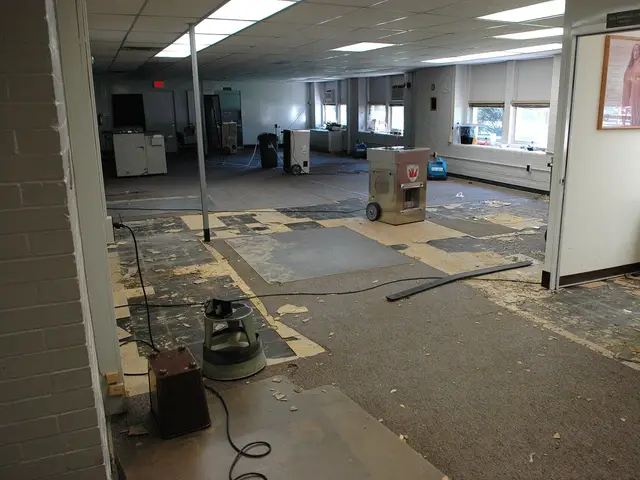
The best water damage insurance claim tip is to do three things on day one: report the loss, photograph everything before it is moved, and start drying. Your policy requires you to protect the home from further damage, and wet materials can grow mold within 24 to 48 hours (EPA), so waiting for the adjuster before mitigating can cost you twice: once in extra damage, and again if the insurer says the extra damage was avoidable.
The rest of a good claim is paperwork. Adjusters pay what they can verify, so the homeowner with dated photos, moisture readings, itemized invoices and samples usually has the easier conversation.
Before you call anyone
Make the home safe first. Shut off the main water valve. If water is near outlets, cords or the electrical panel, turn off the power at the breaker only if you can reach it while standing somewhere dry; otherwise call the utility. Stay out from under sagging ceilings, and stay out of sewage. The what to do after water damage guide has the full first-hour checklist.
Step 1: Document before you move anything
Walk through with your phone recording video, narrating what you see. Then take still photos of:
- The source: the burst pipe, failed hose, water heater or ceiling stain.
- Standing water, with something in frame to show depth.
- Every wet wall, floor, ceiling and cabinet, close up and wide.
- Damaged belongings, with brand and model labels where visible.
- Water lines on walls and furniture.
FloodSmart's claims checklist asks flood policyholders to photograph all damage "from multiple angles and distances." It is good practice for any water claim.
Step 2: Report the claim quickly
The NAIC says to contact your agent or insurer as soon as possible and ask which forms and documents you will need. Write down the claim number, the name of everyone you speak to and the date. The Washington insurance commissioner's office puts it simply: "Keep copies of everything."
If the water came from rising surface water and you have flood insurance, contact the flood insurer as well. Homeowners and flood are separate claims. The guide to whether homeowners insurance covers water damage explains which policy answers for which cause.
Water still spreading?
One free call connects you with a local restoration company. Lines are open 24/7 and there is no obligation.
Step 3: Meet your duty to mitigate
Every standard policy expects you to stop the damage getting worse. The NAIC gives examples like boarding up or cleaning up water from a backed-up drain. In practice, for anything beyond a small spill, that means professional extraction and drying.
Texas Department of Insurance guidance is clear on the line to hold: make temporary repairs to prevent more damage and keep the receipts, but "don't make permanent repairs until an adjuster has seen the damage and said it's OK." Drying, removing soaked carpet pad and cutting out wet drywall to save the framing count as mitigation. Installing new cabinets does not.
Get mitigation invoices that hold up
Ask the restoration company for:
- Daily moisture readings and a moisture map of affected rooms.
- Photos taken before, during and after extraction and demolition.
- The water category and class they assigned, and why.
- An itemized invoice showing equipment, quantity and days on site.
Itemized estimates are easier for adjusters to check. A one-line invoice for "water mitigation, $8,000" invites questions. The water damage restoration cost guide shows typical ranges, so you can spot an estimate that looks out of line.
Step 4: Save samples and damaged items
Do not throw out damaged items until your adjuster says so, unless they are a health hazard. If wet carpet or contaminated materials must go, photograph them and cut a sample to keep. FloodSmart recommends keeping samples of carpet, flooring and blinds for the adjuster.
Step 5: Build a room-by-room inventory
List every damaged item with a description, approximate age, where and when you bought it, and what it would cost to replace. FloodSmart's checklist asks for make, model, serial number, quantity and replacement cost. Bank and card statements, online order histories and old photos all help prove ownership.
Step 6: Prepare for the adjuster visit
The NAIC says the adjuster will probably want to inspect the damage at your house. Have your photos, invoices, inventory and moisture logs ready. If you can, have the restoration company's project manager there to explain what was removed and why.
Do not feel pushed to agree to a number on the spot. The NAIC says it can help to have your contractor meet with you and the adjuster.
Step 7: Track additional living expenses
If the home is not livable during repairs from a covered loss, the Loss of Use part of a homeowners policy pays some of your additional living expenses, according to the NAIC. A hotel and restaurant meals above your normal grocery bill are typical examples. Keep every receipt.
Step 8: Know your deadlines
Read your policy for notice and proof-of-loss deadlines. Flood policies are strict: the NFIP requires documentation supporting the claim within 60 days of the flood unless your insurer gives a different timeframe. State rules also set deadlines for insurers. In Washington, insurers must respond within 15 business days and should complete the investigation within 30 days where possible, according to the Office of the Insurance Commissioner.
| Claim stage | What to have ready | Who sets the deadline |
|---|---|---|
| First 24 hours | Photos, video, claim number | Your policy (prompt notice) |
| First 48 hours | Mitigation started, receipts | Your policy (duty to mitigate) |
| First 2 weeks | Inventory, itemized estimate | Insurer request |
| Within 60 days (flood) | Signed proof of loss | NFIP rules |
| After the offer | Written response or dispute | Your policy and state law |
Step 9: Understand the offer
Ask for the adjuster's estimate in writing, line by line. Compare it against your contractor's estimate. Common gaps are missed areas of wet drywall, flooring that has to be replaced in a continuous run, and drying days.
Step 10: When to bring in a public adjuster
Public adjusters represent you rather than the insurer and charge a fee. The NAIC notes that not all states allow them, and states that do require a license. They are most useful on large losses, claims that have stalled, or complicated disputes about the cause.
Step 11: If you disagree
First try to resolve it with the insurer in writing. If the dispute is about value, check your policy for an appraisal clause. You can also hire an attorney or contact your state insurance department, which the NAIC says has consumer services staff who help resolve disagreements.
Step 12: Fix the cause
Insurers may not pay twice for the same failure. Repair the pipe, replace the hose or water heater, and keep that receipt with your claim file.
Water still spreading?
One free call connects you with a local restoration company. Lines are open 24/7 and there is no obligation.
A local restoration company can start extraction and produce the moisture logs and photos adjusters ask for. The call is free, lines are open 24/7 and there is no obligation to hire. No company can guarantee your claim will be approved, but a well-documented one gives you the best chance.
Common questions
Should I call my insurer or a restoration company first?
Stop the water and make the area safe, then do both the same day. Your policy requires you to prevent further damage, so starting extraction and drying before the adjuster arrives is normal. Photograph everything first and tell the insurer mitigation has started.
Can I throw away wet carpet before the adjuster comes?
Wet materials can grow mold within 24 to 48 hours, so they often have to come out fast. Photograph them first and keep a sample. FloodSmart's claims checklist tells flood policyholders to keep samples of carpet, flooring and blinds to show the adjuster.
How long does an insurer have to respond to a water damage claim?
It depends on your state. In Washington, for example, the Office of the Insurance Commissioner says insurers must accept, deny or ask for more time within 15 business days and should finish the investigation within 30 days where possible. Your state insurance department publishes its own rules.
Is a public adjuster worth it for a water damage claim?
It can be on a large or disputed claim. Public adjusters work for you, not the insurer, and charge a fee, so ask how it is calculated before you sign. The NAIC notes that not all states allow them and those that do require a license.
What if my water damage claim is denied?
Ask for the denial in writing with the policy language it relies on. You can dispute it with the insurer, use the appraisal clause if the disagreement is about value, and contact your state insurance department, which has consumer staff to help resolve disputes.
Sources
- NAIC: A Consumer's Guide to Home Insurance
- Texas Department of Insurance: What insurance do you need for water damage?
- Washington Office of the Insurance Commissioner: Filing a homeowner insurance claim
- FloodSmart (NFIP): Claims checklist for policyholders
- EPA: A Brief Guide to Mold, Moisture and Your Home