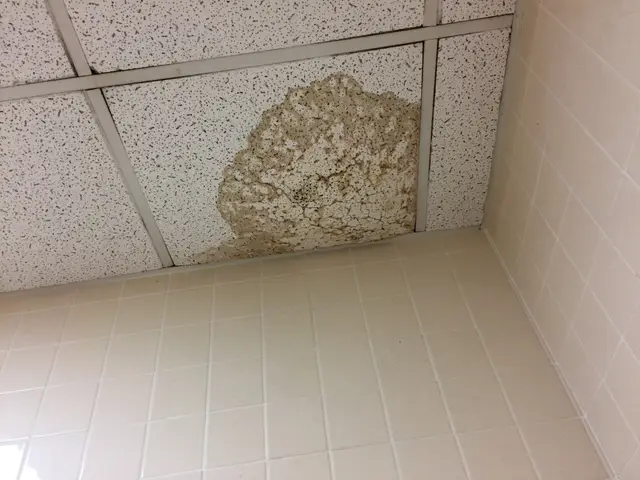
The most reliable signs of hidden water damage are a musty smell you cannot trace, stains or bubbling paint on walls and ceilings, floors that cup, curl or feel soft, and a water meter that moves when nothing in the house is running. The EPA WaterSense program gives a simple test: read your meter, use no water for two hours, then read it again. If the number changed at all, you probably have a leak somewhere you cannot see.
Why water damage stays hidden
Water rarely stays where it starts. It runs along pipes and framing, soaks into the paper face of drywall and spreads under flooring before anything shows on the surface. By the time a stain appears, the wet area behind it is usually larger than the stain.
The EPA's guide to mold and moisture lists the places hidden mold tends to grow: the back side of drywall, wallpaper and paneling, the top side of ceiling tiles, the underside of carpets and pads, inside walls around leaking or condensing pipes, inside ductwork, and in roof materials above ceilings. Those are the same places hidden water damage lives.
It is also common. The Insurance Information Institute reports that about one in 60 insured homes has a water damage or freezing claim each year, and the average claim for that category was about $15,400 from 2019 to 2023.
The signs, room by room
Use this table as a walk-through checklist. One sign on its own can be harmless. Two or more in the same area usually means water is getting in somewhere.
| Where | What to look for | Common hidden source |
|---|---|---|
| Walls | Bubbling or peeling paint, soft drywall, baseboards pulling away, stains low on the wall | Supply line or drain inside the wall |
| Ceilings | Yellow or brown rings, sagging, hairline cracks, flaking paint | Roof leak, bathroom above, AC unit or drain line |
| Floors | Cupped hardwood, curling vinyl, loose tile, soft spots | Slab leak, toilet seal, dishwasher or fridge line |
| Bathrooms | Toilet that rocks, loose tile near the tub, peeling paint by the shower, mold spots | Wax ring, tub drain, failed caulk |
| Kitchen and laundry | Swollen cabinet bottoms, warped toe kicks, damp smell under the sink | Appliance hoses, sink drain, ice maker line |
| Whole house | Musty odor, condensation on windows, humidity that stays high | Slow leak, poor ventilation, AC drain |
Family Handyman's plumbing guide lists curling vinyl, loose tiles next to the tub, peeling paint near the shower and water stains on the ceiling below as the signs of a leaking tub or shower. It also tells the story of a toilet that rocked for years until the ceiling under it fell in, because the wax ring had been leaking the whole time.
Do not ignore the attic or the air handler. ENERGY STAR's maintenance checklist warns that a plugged condensate drain in a central air conditioner can cause water damage in the house, and EPA advises keeping AC drip pans clean and drain lines flowing.
Water still spreading?
One free call connects you with a local restoration company. Lines are open 24/7 and there is no obligation.
Tests you can run in under an hour
You do not need special tools for most of these. They come from EPA WaterSense and EPA's mold guide.
The two-hour meter test
Turn off every faucet and anything that uses water, including the ice maker and irrigation. Write down the meter reading, wait two hours, and read it again. EPA says that if the meter changes at all, you probably have a leak. If the meter moves while every fixture is off, the leak is on the supply side, often in a wall, under a slab or in the yard.
The toilet dye test
Put a few drops of food coloring in the toilet tank and wait 10 minutes without flushing. If color shows up in the bowl, the flapper is leaking. Flush afterward so the dye does not stain the tank.
The winter bill check
EPA suggests looking at water use in a cold month such as January or February, when there is little outdoor watering. If a family of four uses more than 12,000 gallons a month, there could be a serious leak.
The humidity reading
A basic humidity meter costs about $10 to $50 at a hardware store, according to EPA. EPA recommends keeping indoor humidity below 60 percent, ideally between 30 and 50 percent. A room that stays well above that with no obvious reason is worth investigating.
The press and tap test
Press gently on drywall near baseboards, behind toilets and under windows. Wet drywall feels soft or spongy and may leave a dent. Tap tile near tubs and showers and listen for a hollow sound, which can mean the adhesive behind it has failed.
How much water a small leak wastes
Small leaks add up. EPA WaterSense estimates that household leaks waste nearly 1 trillion gallons of water a year nationwide. The average household's leaks can account for more than 9,300 gallons a year, and nine percent of homes have leaks that waste 50 gallons or more per day. Every one of those gallons is going somewhere, and when the leak is inside a wall or under a floor, it is going into your house.
When hidden water damage becomes urgent
Some findings mean you should stop testing and get help.
You can see or smell mold
EPA says that if wet materials are dried within 24 to 48 hours, in most cases mold will not grow. A hidden leak has usually been running far longer than that. EPA suggests homeowners can usually clean an area smaller than about 10 square feet themselves, and that larger areas need professional help. EPA also warns that pulling off wallpaper or paneling with mold behind it can release a large burst of spores, so do not tear into walls to look. Our guide on how fast mold grows after water damage explains the timeline, and the mold remediation page covers what removal involves.
The ceiling is sagging
A bulging or sagging ceiling can be holding a lot of water. Keep people out of the room and away from light fixtures, and read what to do about a ceiling leak before you touch it.
Water is near outlets, panels or fixtures
If you find water near electrical outlets, a light fixture or the breaker panel, do not touch anything while standing on a wet floor. Shut off power at the breaker only if you can reach it from a dry spot.
It smells like sewage
A sewer smell with damp floors or walls can mean a drain line is leaking. That water is contaminated and should be handled by a professional crew.
Hidden damage and your insurance
The Insurance Information Institute says most homeowners policies cover sudden and accidental water damage, such as a burst pipe, but not damage caused by a lack of maintenance. That makes timing matter. A leak you report the day you find it reads very differently from one that was visible for months. Take dated photos before you move anything, and read does homeowners insurance cover water damage before you call the insurer.
The Insurance Information Institute also recommends checking the hoses on water heaters, dishwashers, washing machines and ice makers every year and replacing them every five to seven years. If you have never done that, those hoses are a good first suspect.
What a restoration crew does to find hidden water
A water damage restoration company starts with an inspection. Technicians use moisture meters to map how far the water has spread inside walls, floors and ceilings, and many use thermal cameras to spot cool, damp areas behind surfaces. Under the IICRC S500 standard, that inspection is how they decide the category of water, which materials can be dried in place and which must come out.
Once the wet area is mapped, the crew can open only what needs opening, set up air movers and dehumidifiers, and take readings until materials are dry. A plumber or roofer fixes the source. If you want a rough idea of cost before anyone arrives, try the water damage cost calculator.
Water still spreading?
One free call connects you with a local restoration company. Lines are open 24/7 and there is no obligation.
If you have two or more signs from the table above, or the meter test failed, the next step is a moisture inspection. One free call connects you with an independent local restoration company. Lines are open 24/7 and there is no obligation to hire.
Common questions
How can I tell if there is water damage behind a wall?
Look for paint that bubbles or peels, drywall that feels soft or crumbles when pressed, baseboards pulling away, and stains that grow over days. A musty smell near one wall is another strong clue. A restoration crew can confirm it with a moisture meter without opening the wall first.
Can hidden water damage cause mold?
Yes. EPA says mold usually will not grow if wet materials are dried within 24 to 48 hours, but a hidden leak keeps materials wet for weeks. EPA lists the back of drywall, the underside of carpet and pad, and walls around leaking pipes as common places for hidden mold.
Does homeowners insurance cover hidden water damage?
It depends on the cause and how long it went on. The Insurance Information Institute says policies generally cover sudden and accidental water damage but not damage from a lack of maintenance. Report it as soon as you find it and photograph everything before cleanup.
How do I check for a hidden water leak?
Turn off every tap and appliance that uses water, note the water meter reading, wait two hours and check again. EPA says that if the meter changed at all, you probably have a leak. A few drops of food coloring in the toilet tank will also show a leaking flapper within 10 minutes.
What does hidden water damage smell like?
Most people describe it as musty, earthy or like a damp basement. EPA says you may suspect hidden mold if a building smells moldy but you cannot see the source. The smell is often strongest in closets, under sinks and near baseboards.
Sources
- EPA: A Brief Guide to Mold, Moisture and Your Home
- EPA WaterSense: Fix a Leak Week
- Insurance Information Institute: Facts and Statistics, Homeowners and Renters Insurance
- Insurance Information Institute: How to protect your home from water damage
- Family Handyman: How To Find and Repair Hidden Plumbing Leaks
- ENERGY STAR: Heating and Cooling Maintenance Checklist